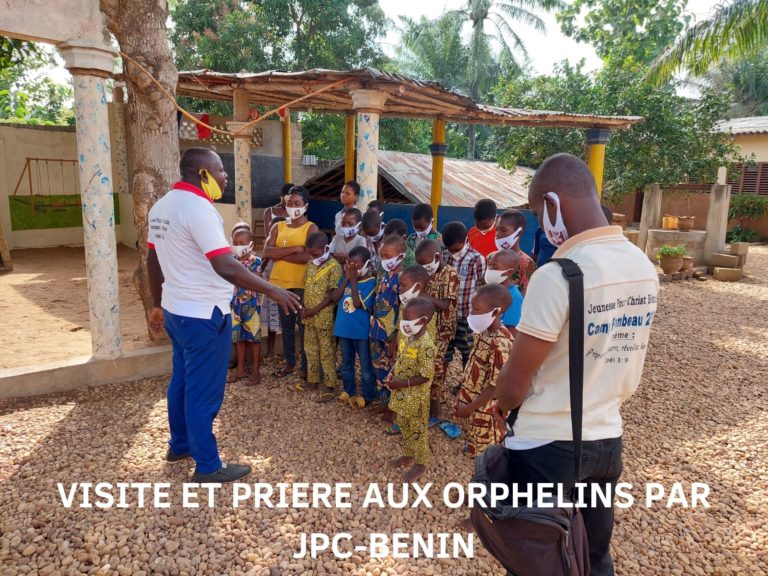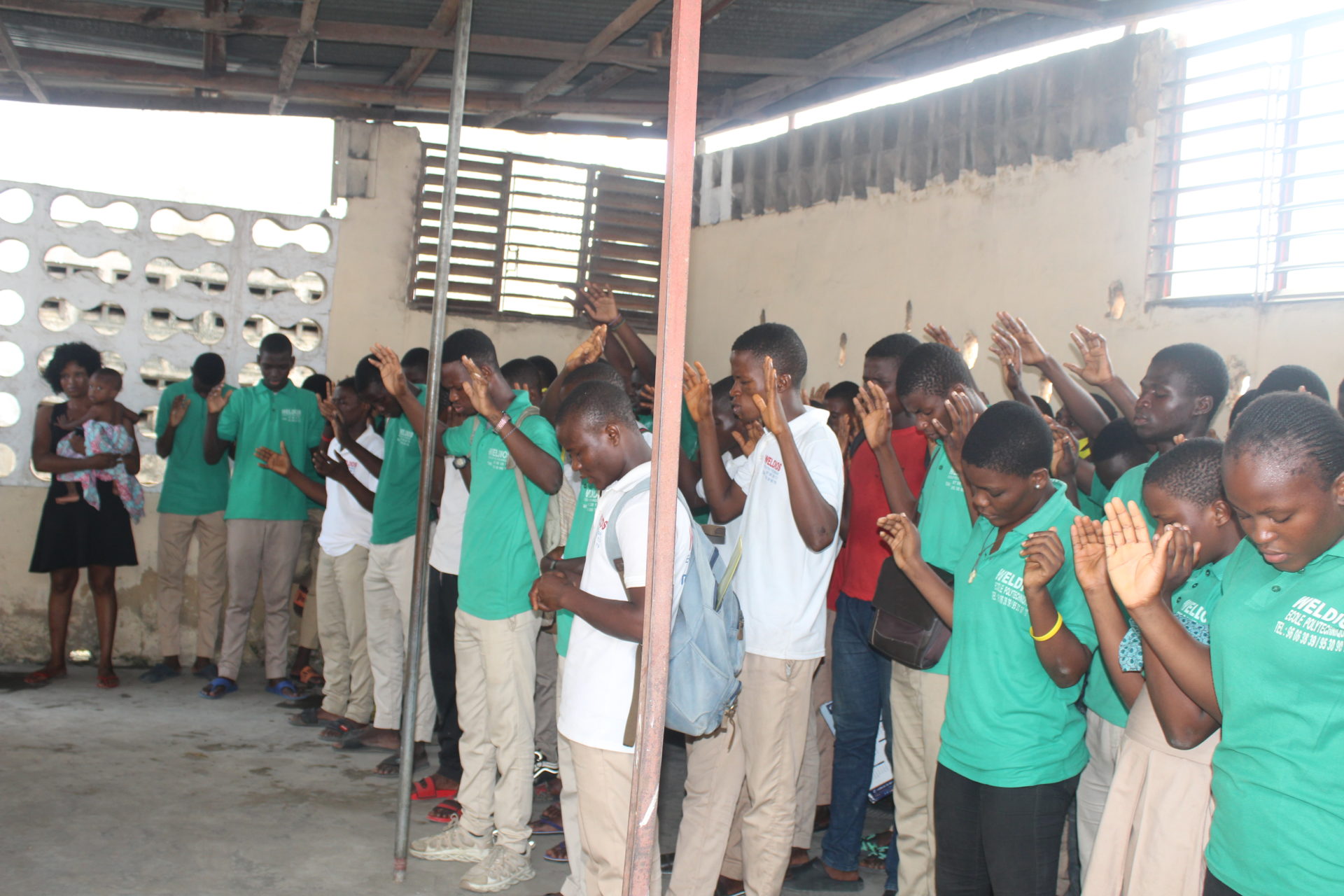
Because of You…
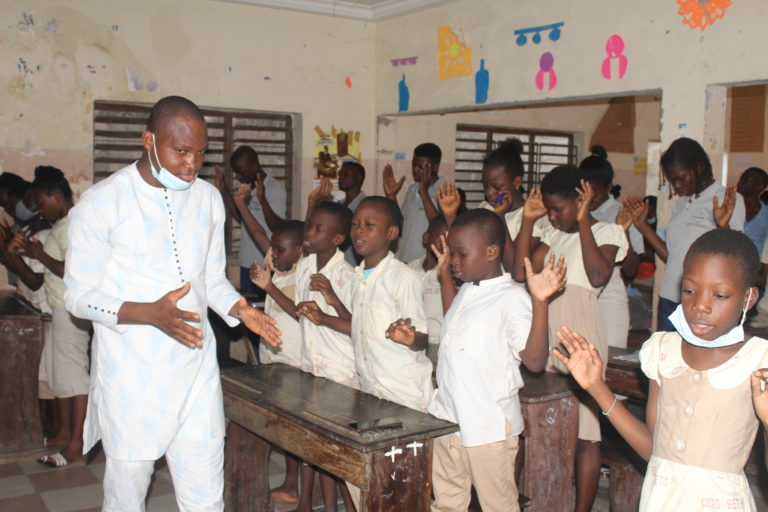
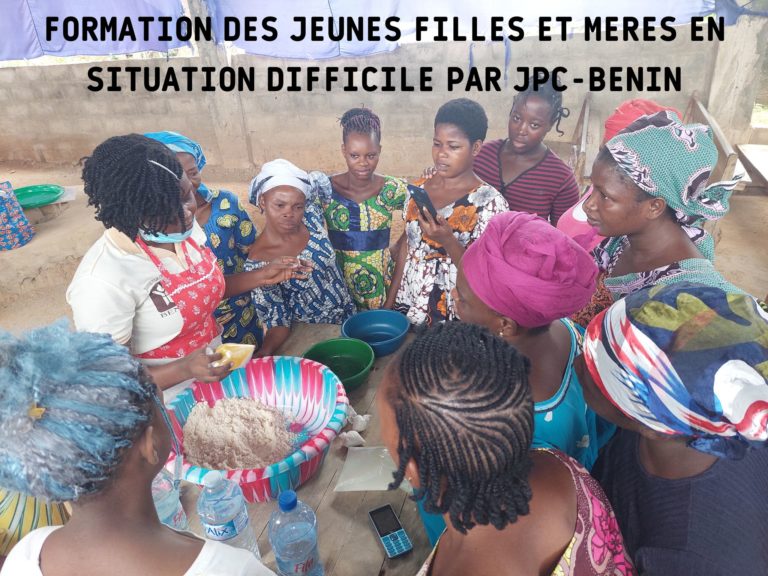
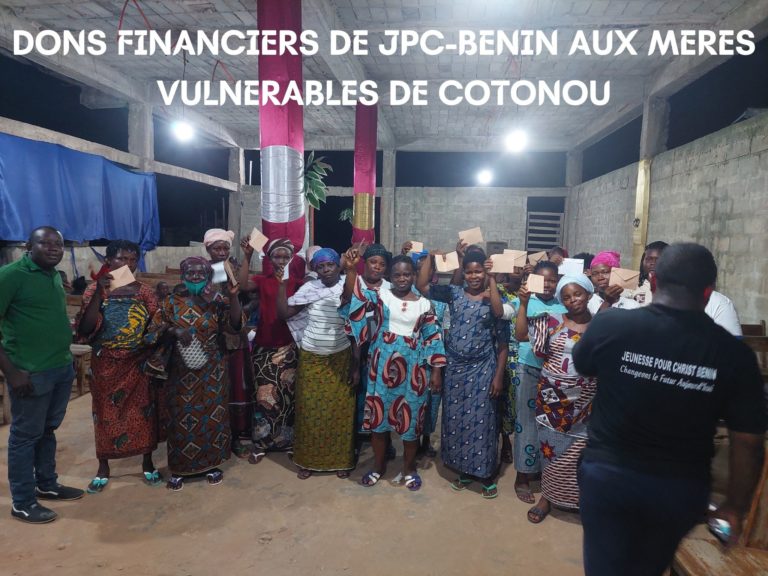
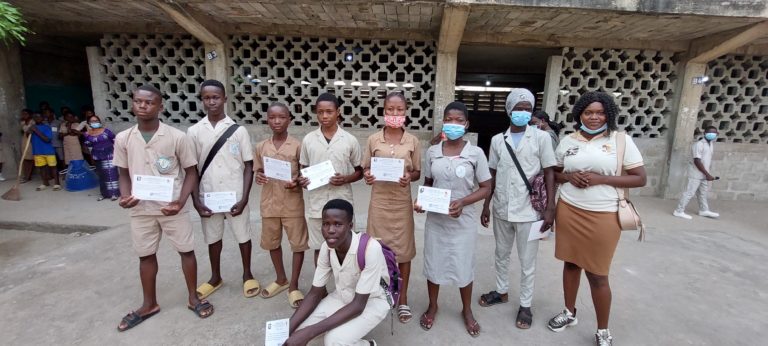
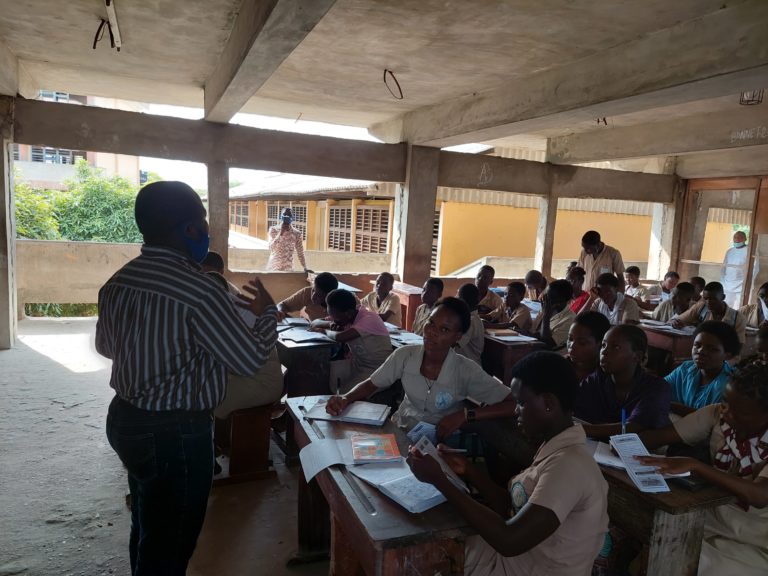
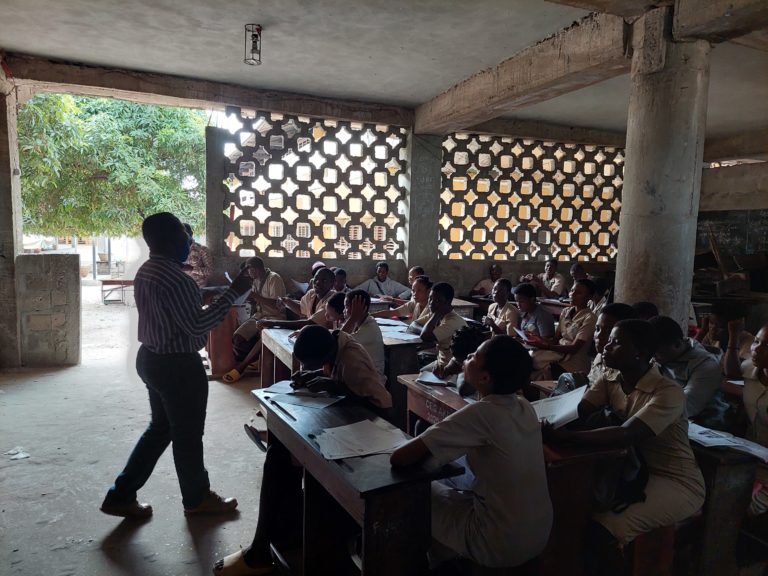
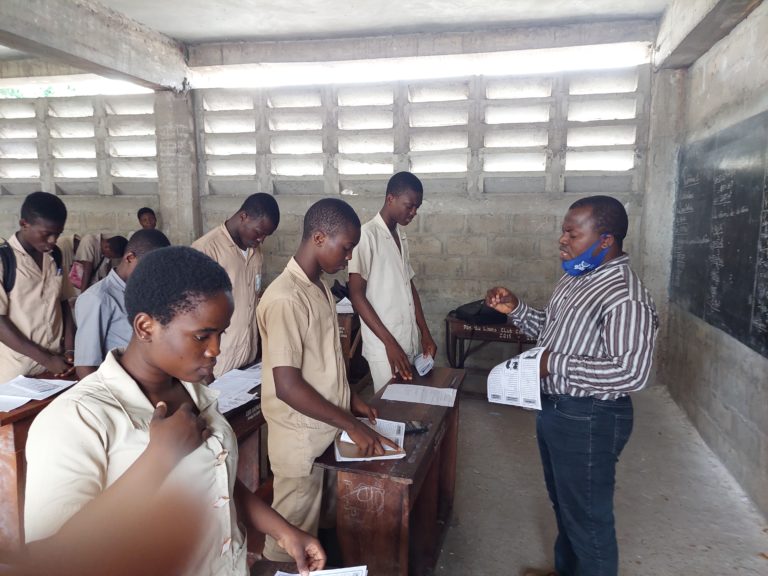
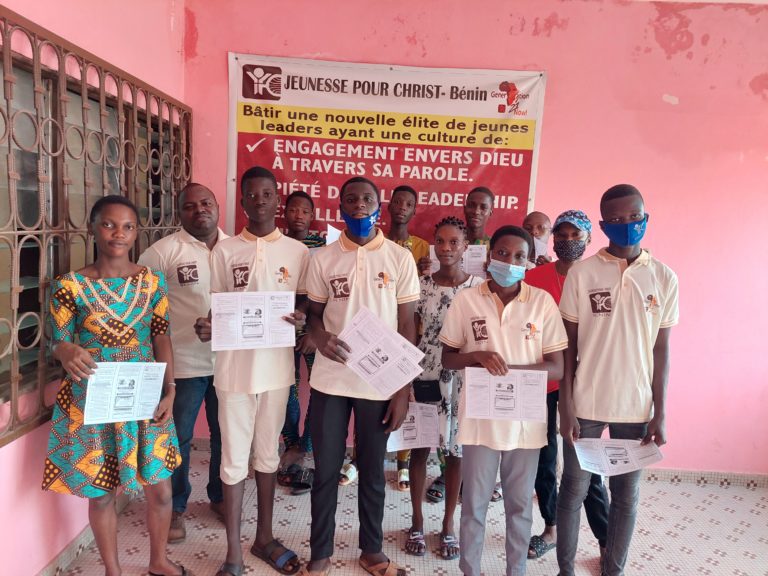
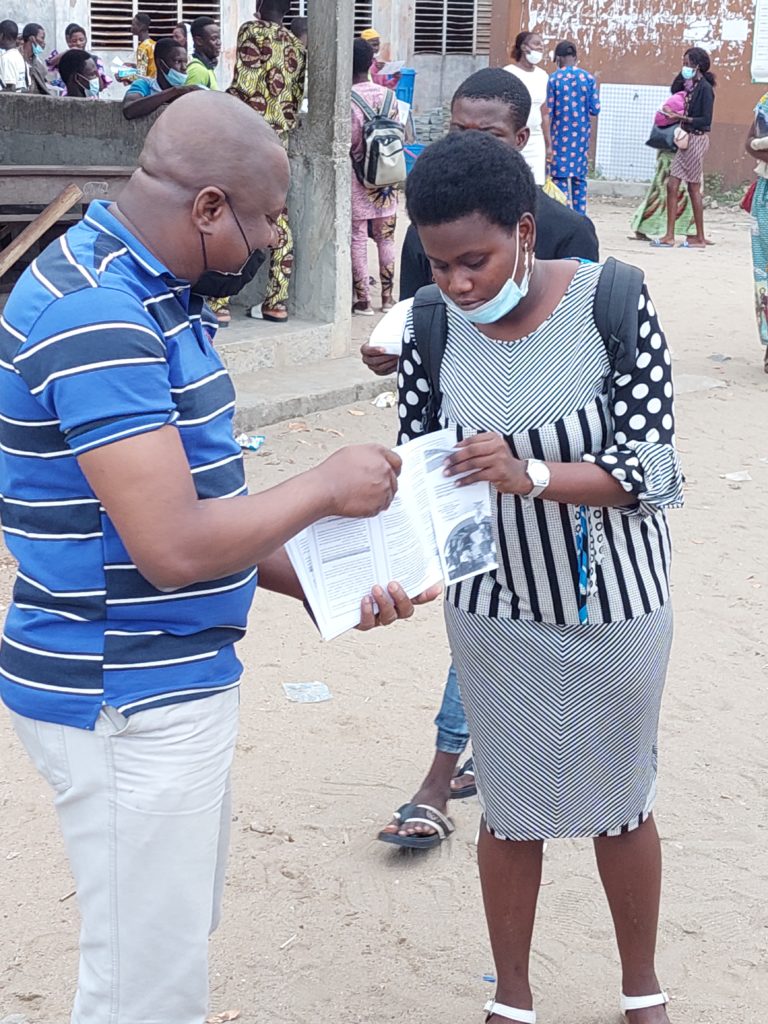
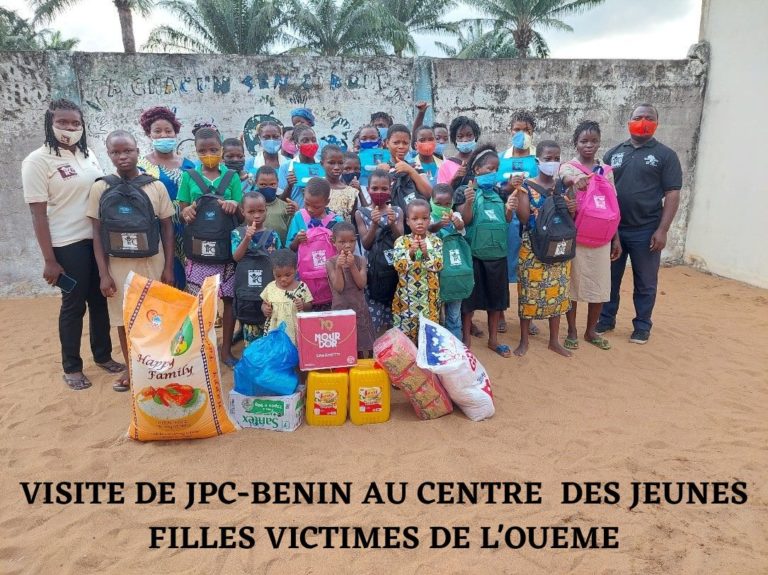
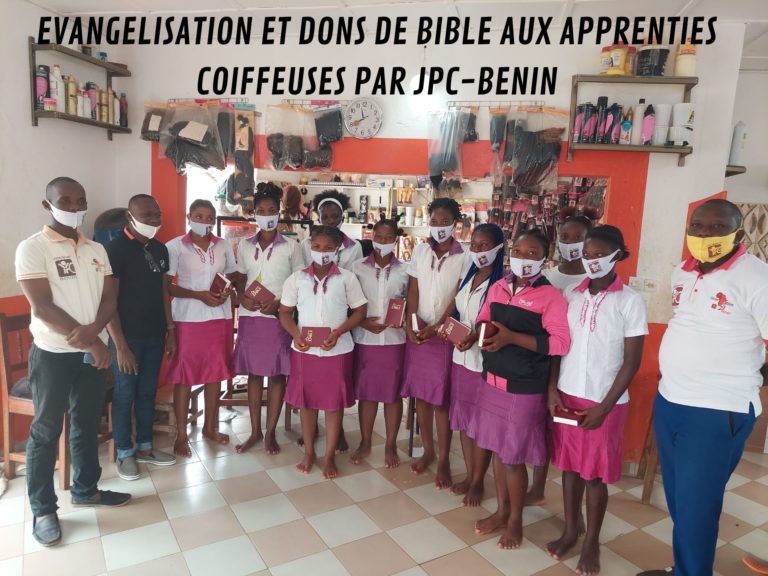
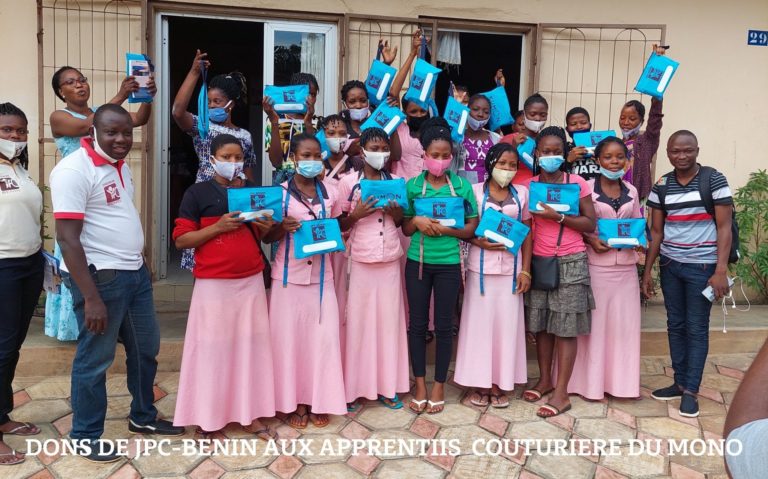
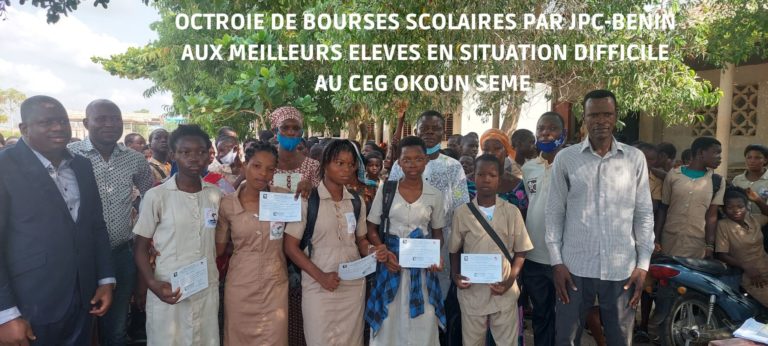
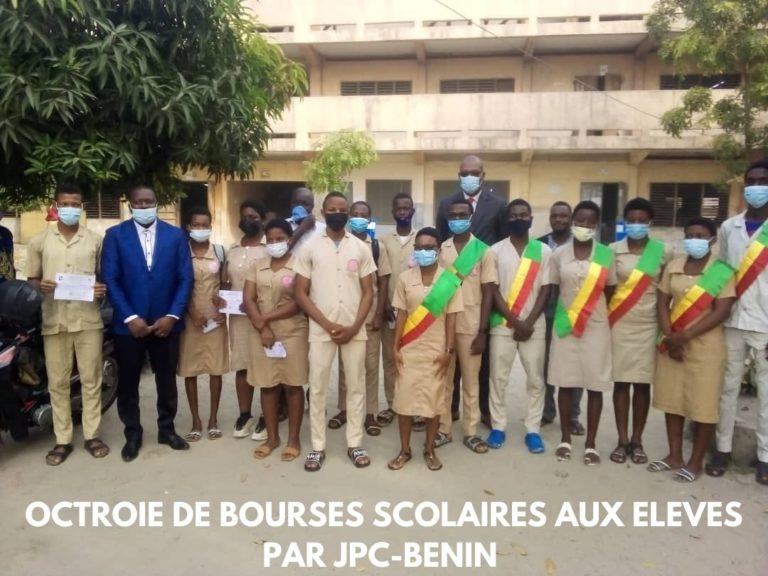
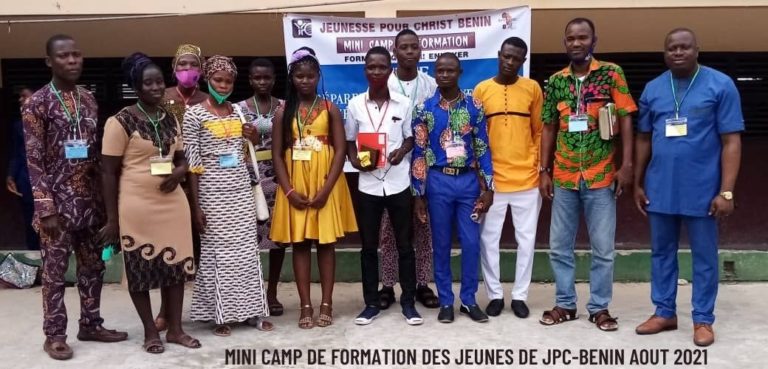
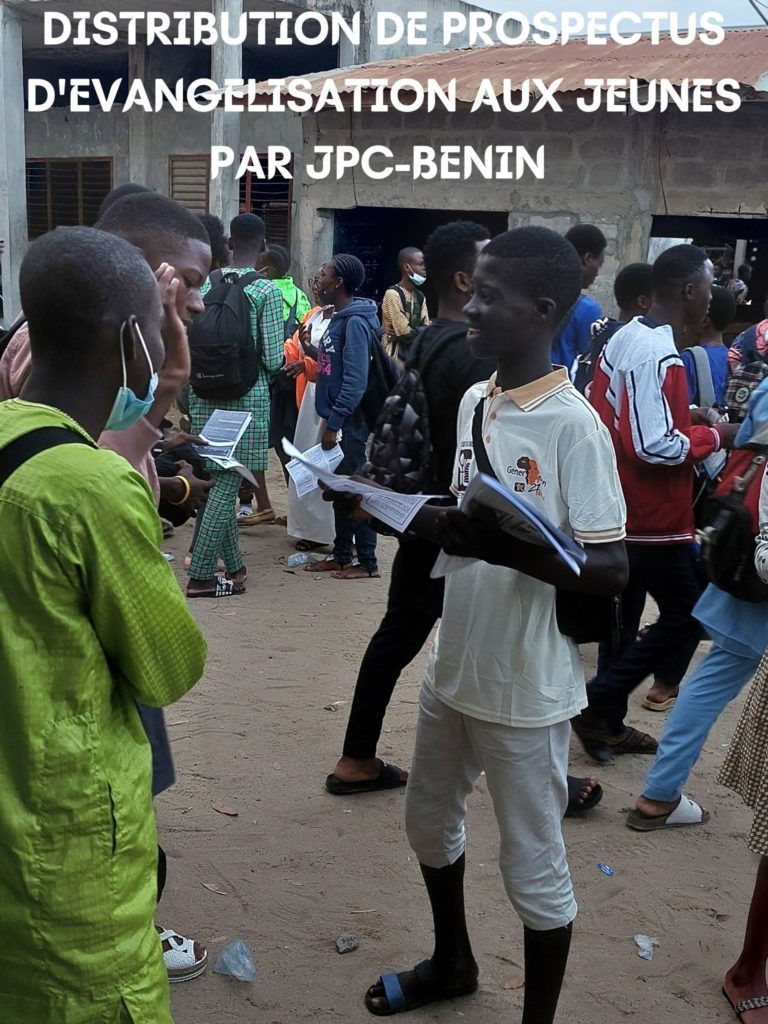
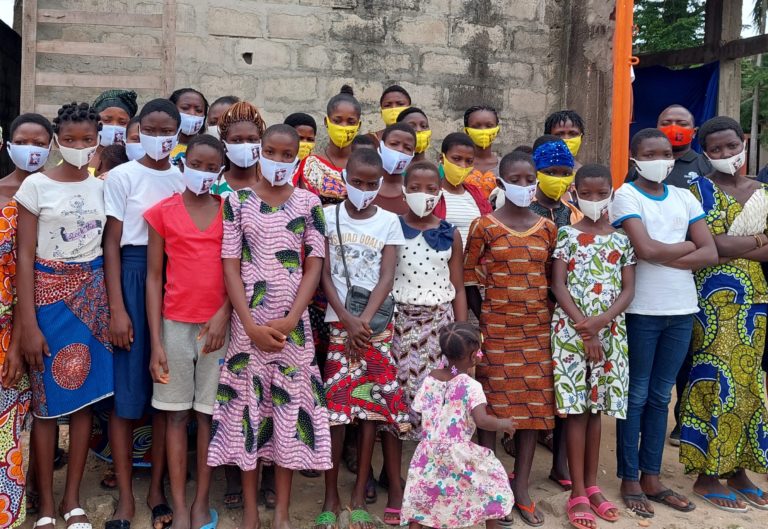
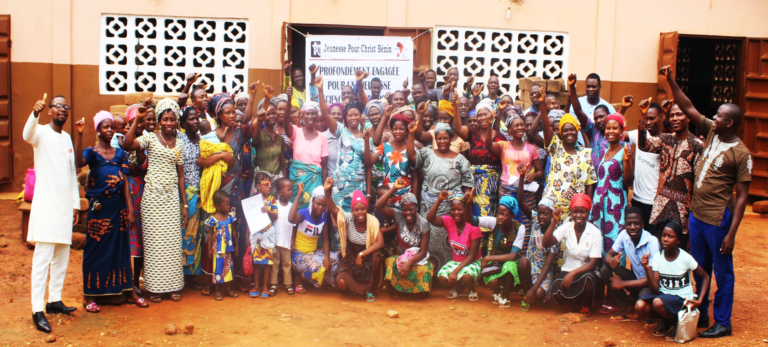
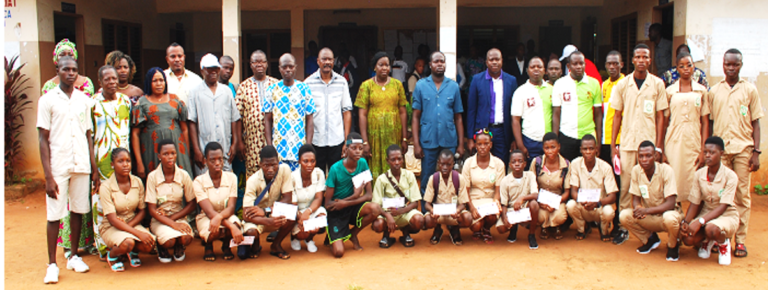
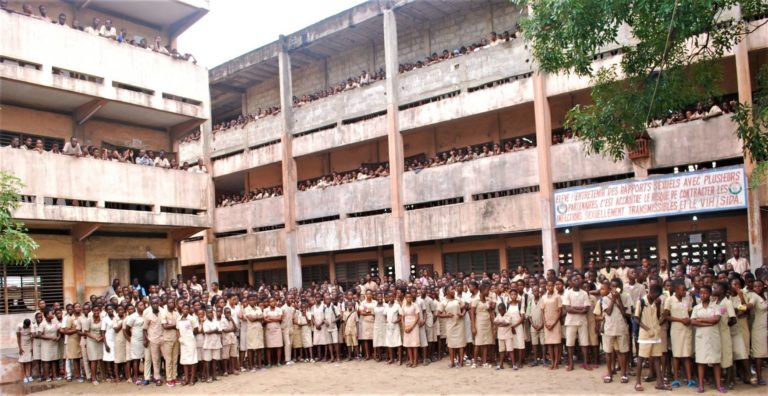
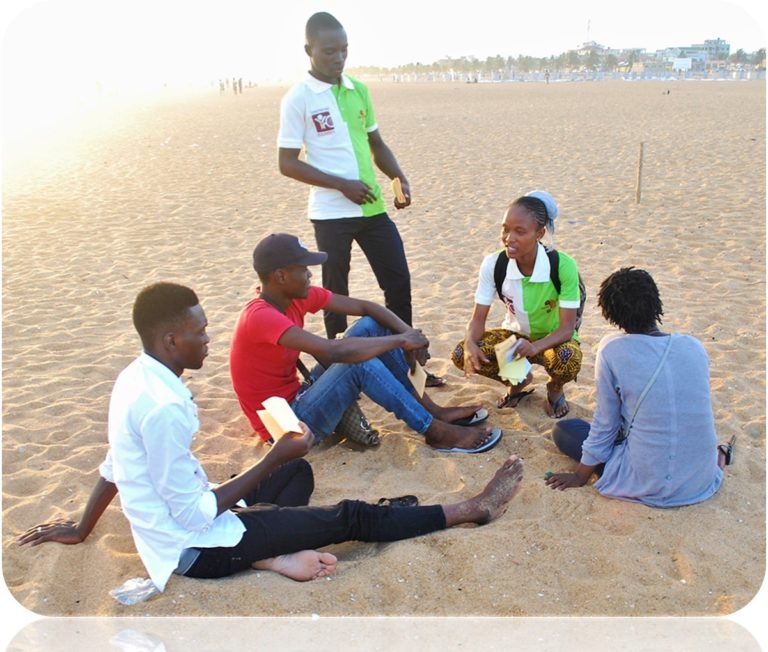
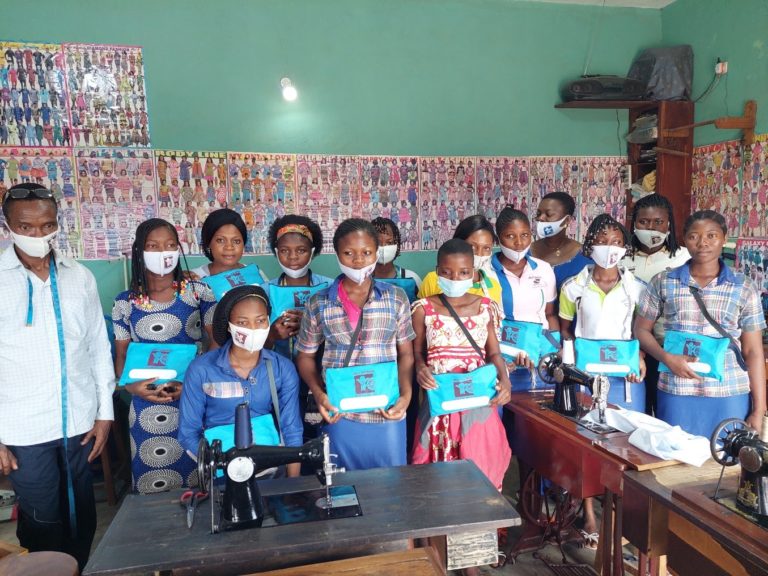
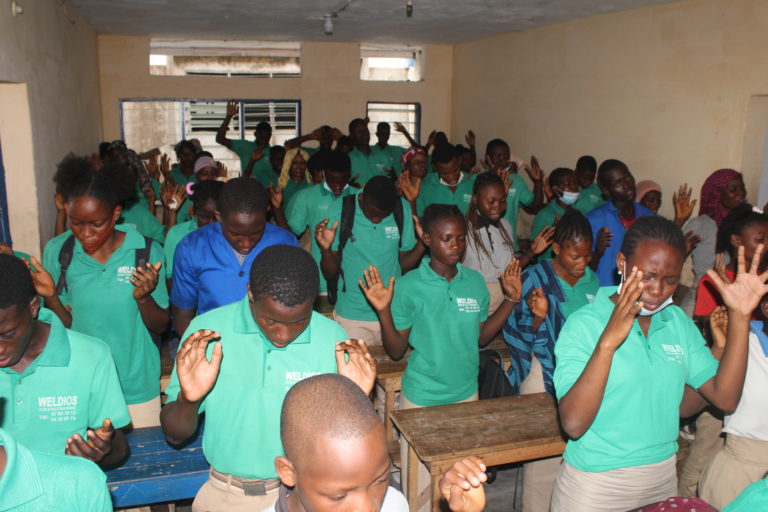
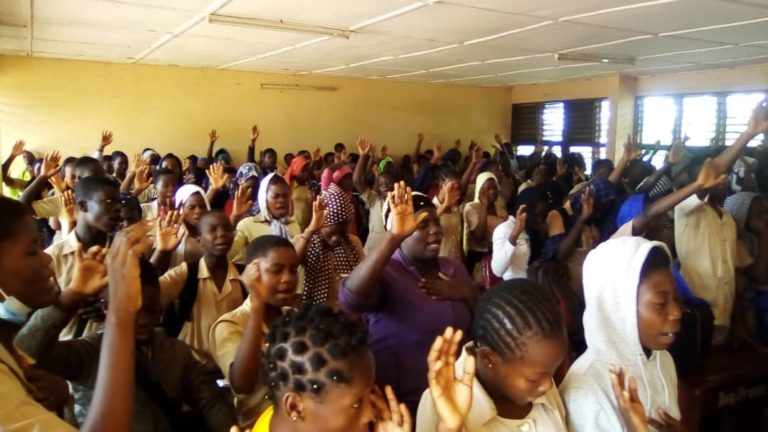
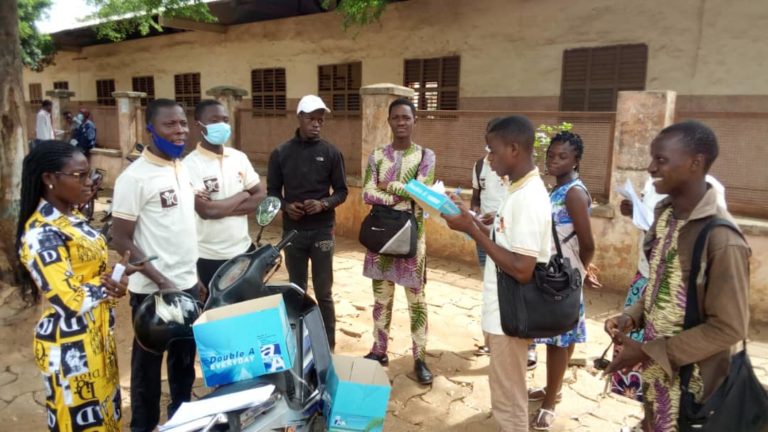
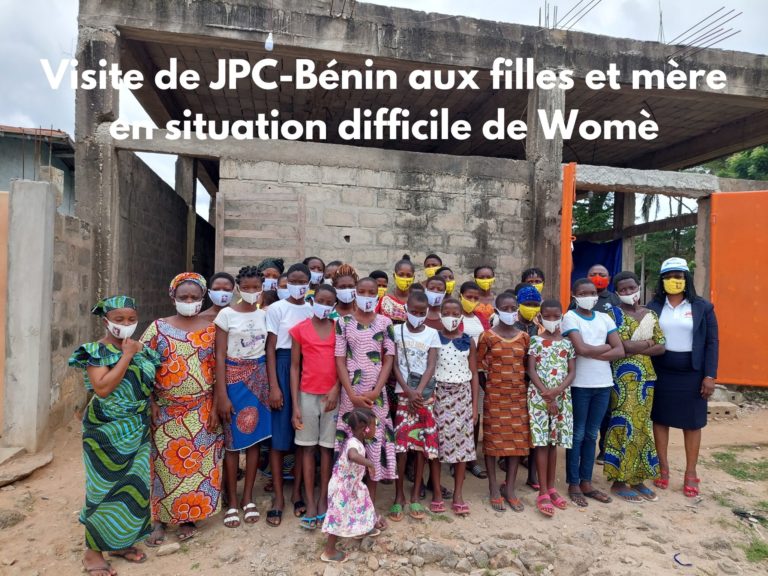
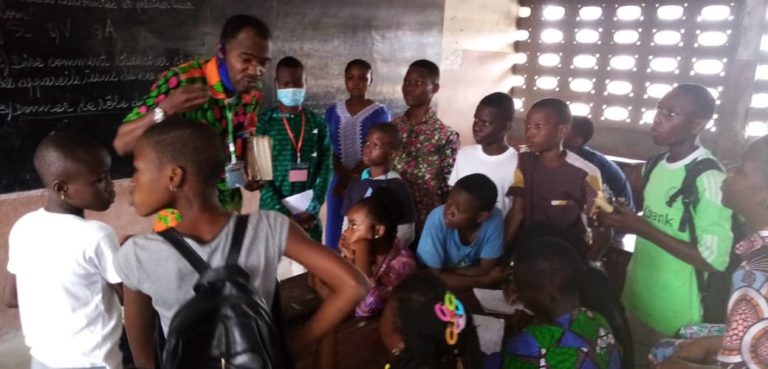
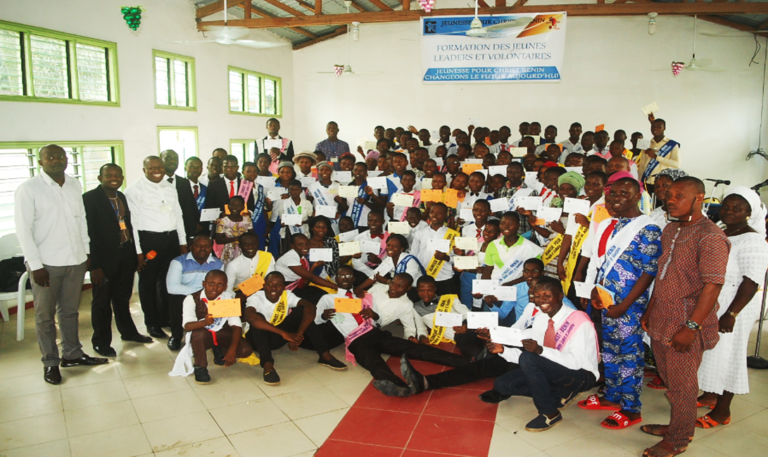
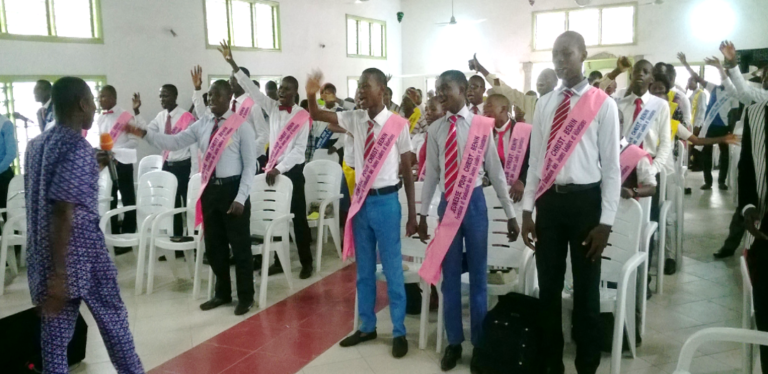
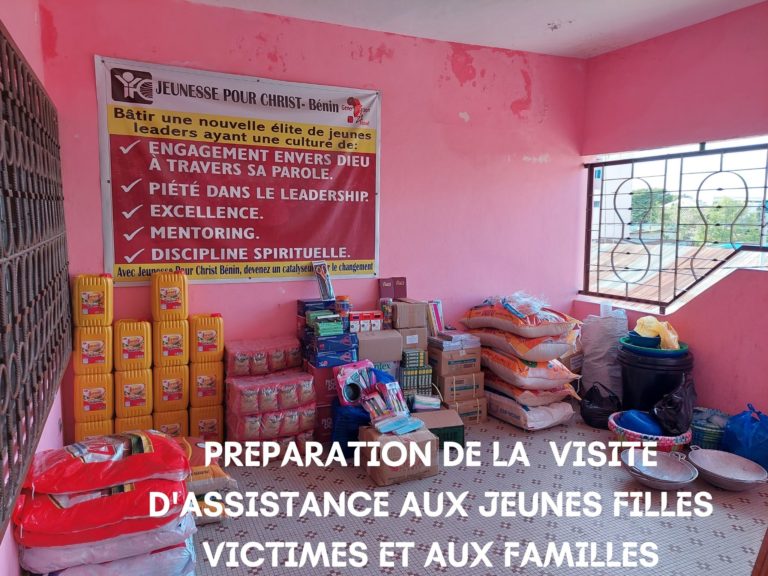
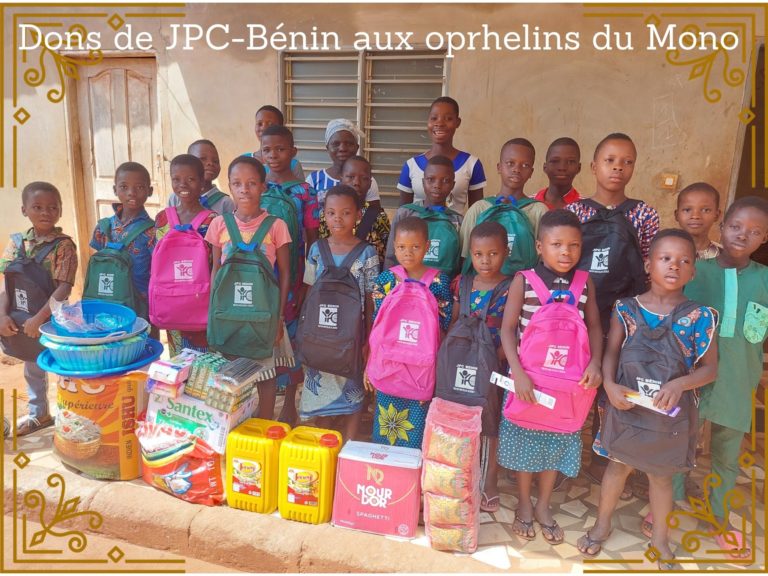
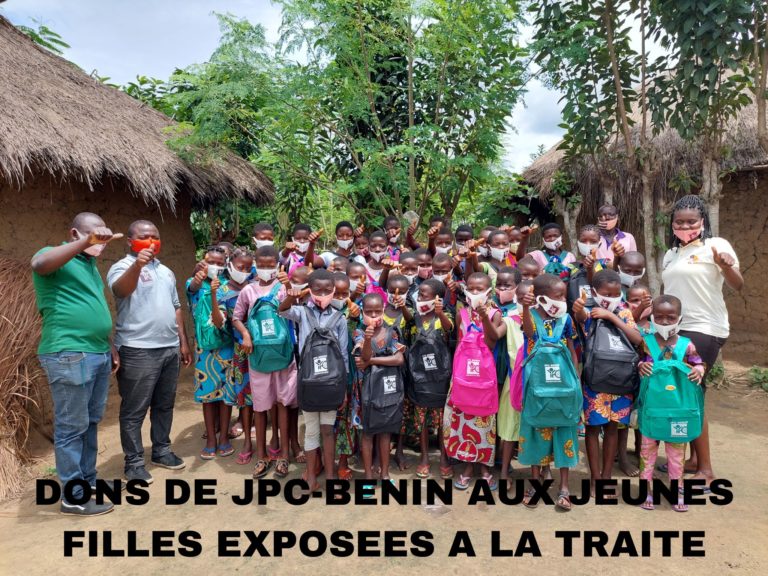
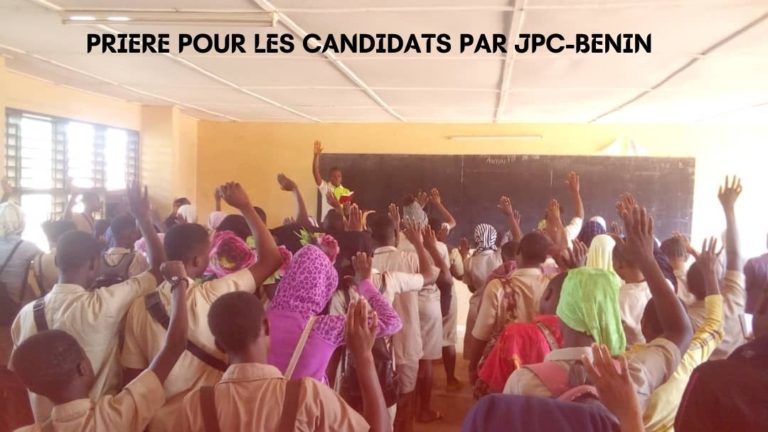
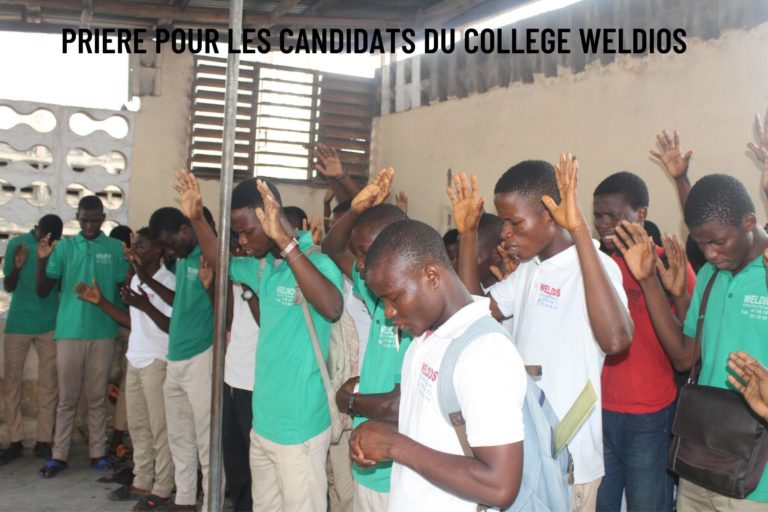
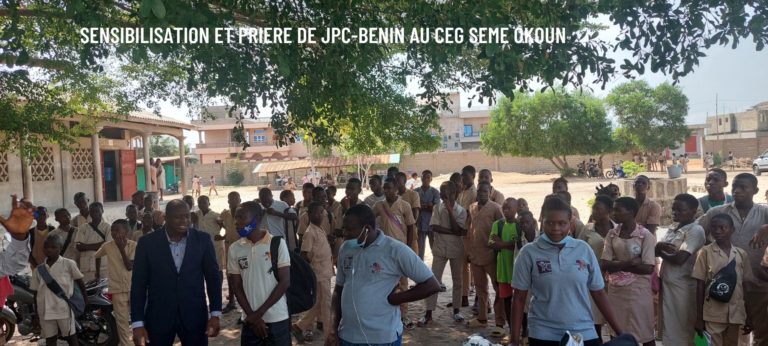
Young people in Benin are being ministered to through:
- English training
- music and drama teams
- street evangelism
- sports ministry
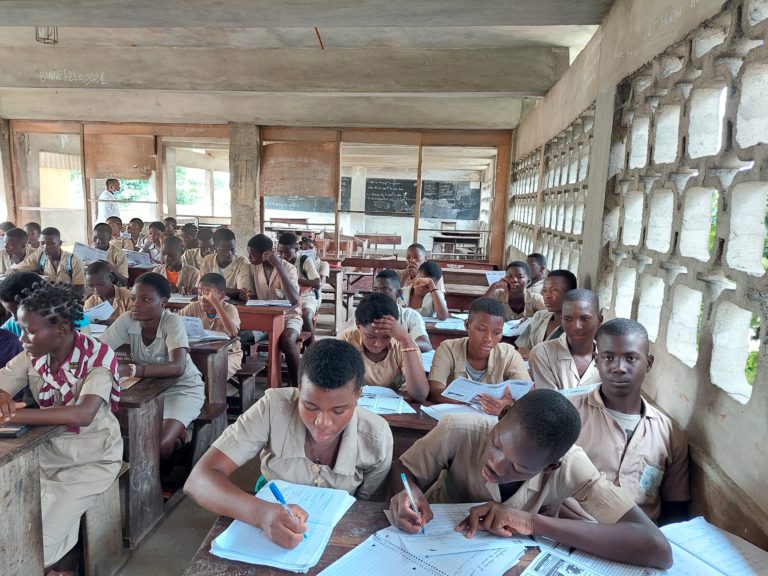
- school and university clubs
- farm ministry
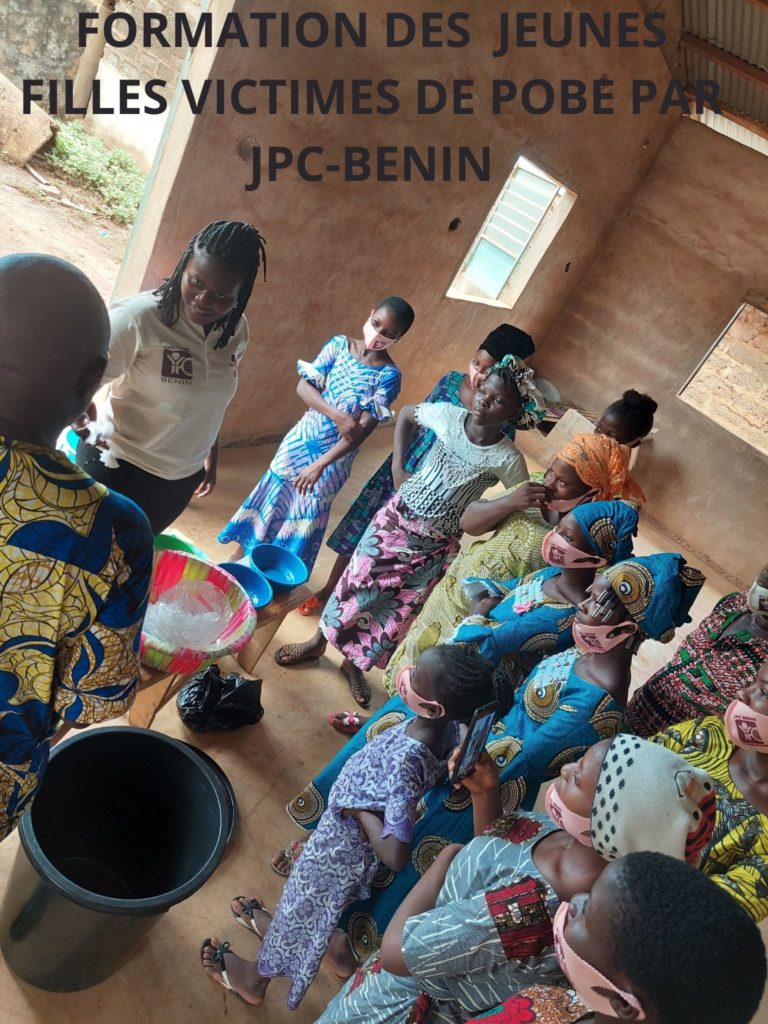
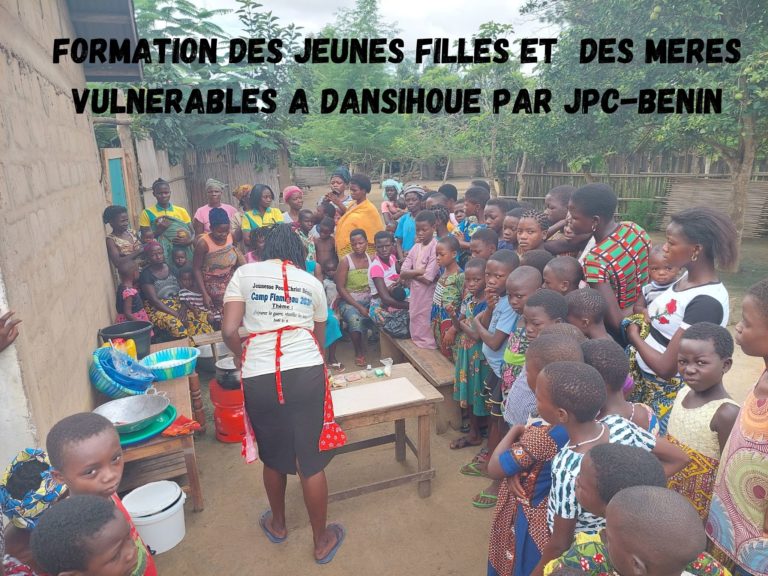
- hygiene training for mothers in villages
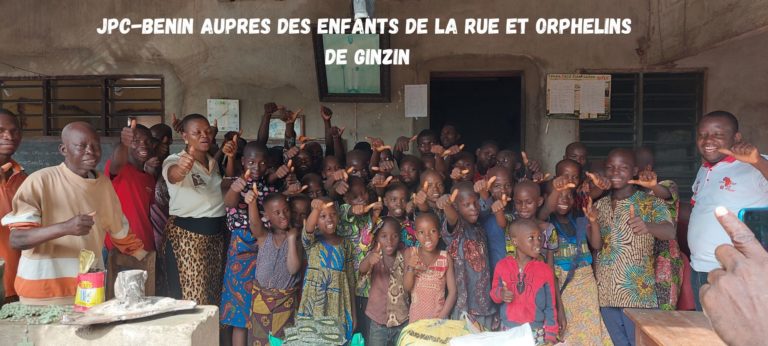
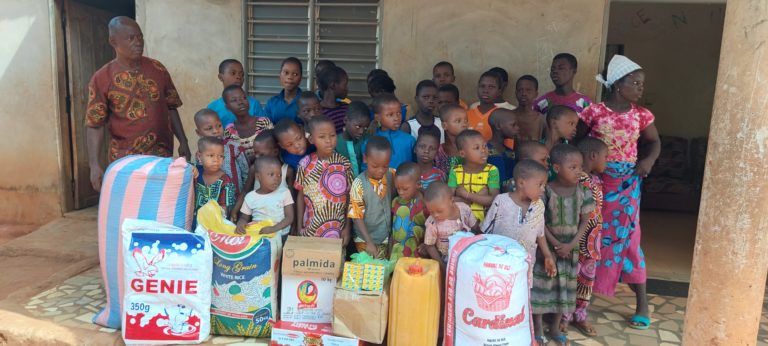
- help for street children and much more.
Youth for Christ in Benin was formed in 1989 and has recently changed leadership.
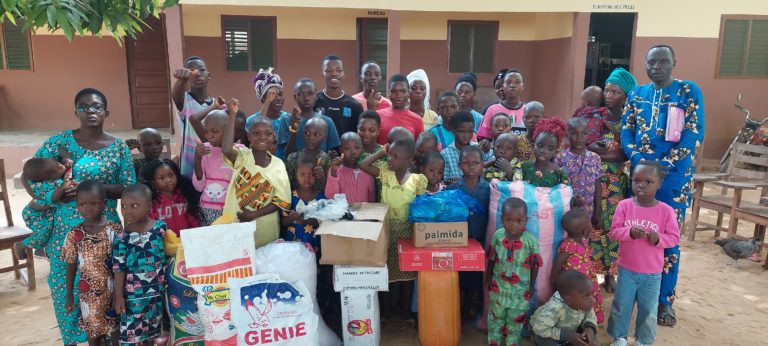
Prayer Needs
- God’s guidance as this national ministry grows
- Care and development of staff and volunteers and board of trustees
- The destruction of the stronghold of voodooism over this nation
- Collaboration with churches and other ministries in Benin
- Favour with the government as Youth for Christ ministers to young people
- Funding for a village clinic
- Expansion of the prayer ministry of Operation Hannah and Operation Watchmen
About Benin
Benin

Introduction
Present day Benin was the site of Dahomey, a prominent West African kingdom that rose in the 15th century. The territory became a French Colony in 1872 and achieved independence on 1 August 1960, as the Republic of Benin. A succession of military governments ended in 1972 with the rise to power of Mathieu KEREKOU and the establishment of a government based on Marxist-Leninist principles. A move to representative government began in 1989. Two years later, free elections ushered in former Prime Minister Nicephore SOGLO as president, marking the first successful transfer of power in Africa from a dictatorship to a democracy. KEREKOU was returned to power by elections held in 1996 and 2001, though some irregularities were alleged. KEREKOU stepped down at the end of his second term in 2006 and was succeeded by Thomas YAYI Boni, a political outsider and independent. YAYI has begun a high profile fight against corruption and has strongly promoted accelerating Benin's economic growth.
Geography
Location
Location: Western Africa, bordering the Bight of Benin, between Nigeria and Togo
Geographic Coordinates: 9 30 N, 2 15 E
Area
Total Area: 112,622 sq km Rank: 101
Land Area: 110,622 sq km
Water Area: 2,000 sq km
Comparison: slightly smaller than Pennsylvania
Land Boundaries: 1,989 km
Bordering Countries: Burkina Faso 306 km, Niger 266 km, Nigeria 773 km, Togo 644 km
Coastline: 121 km
Climate
tropical; hot, humid in south; semiarid in north
Terrain
mostly flat to undulating plain; some hills and low mountains
Elevations
Lowest Point: Atlantic Ocean 0 m
Highest Point: Mont Sokbaro 658 m
Natural Resources
small offshore oil deposits, limestone, marble, timber
Land Use
Arable land: 23.53%
Permanent Crops: 2.37%
Other: 74.1% (2005)
Irrigated Land: 120 sq km (2003)
Renewable Water Resources: 25.8 cu km (2001)
Total Freshwater withdrawal (domestic/industrial/agricultural): 0.13 cu km/yr (32%/23%/45%)
Freshwater Withdrawal Per Capita: 15 cu m/yr (2001)
Environment
Natural Hazards: hot, dry, dusty harmattan wind may affect north from December to March
Environmental Issues: inadequate supplies of potable water; poaching threatens wildlife populations; deforestation; desertification
Environmental Agreements: Party to: Biodiversity, Climate Change, Climate Change-Kyoto Protocol, Desertification, Endangered Species, Environmental Modification, Hazardous Wastes, Law of the Sea, Ozone Layer Protection, Ship Pollution, Wetlands, Whaling
Geography Notes
sandbanks create difficult access to a coast with no natural harbors, river mouths, or islands
People
Population: 8,791,832 Rank: 90
Note: estimates for this country explicitly take into account the effects of excess mortality due to AIDS; this can result in lower life expectancy, higher infant mortality, higher death rates, lower population growth rates, and changes in the distribution of population by age and sex than would otherwise be expected (July 2010 est.)
Age Structure
0-14 years: 45.2% (male 2,028,493/female 1,948,353)
15-64 years: 52.1% (male 2,275,662/female 2,308,945)
65 years and over: 2.6% (male 94,569/female 135,810) (2010 est.)
Median Age: 16.9 years
Population Growth
Growth Rate: 2.977% (2010 est.) Rank: 13
Birth Rate: 39.22 births/1,000 population (2010 est.) Rank: 17
Death Rate: 9.45 deaths/1,000 population (July 2010 est.) Rank: 72
Net Migration Rate: 0 migrant(s)/1,000 population (2010 est.) Rank: 75
Urbanization
Urban Population: 41% of total population (2008)
Rate of Urbanization: 4% annual rate of change (2005-10 est.)
Life and Death
Infant Mortality Rate: 64.64 deaths/1,000 live births Rank: 34
Life Expectancy at Birth: 59 years Rank: 187
Fertility Rate: 5.4 children born/woman (2010 est.) Rank: 17
Health and Disease
HIV/AIDS - Adult Prevalence Rate: 1.2% (2007 est.) Rank: 50
People living with HIV/AIDS: 64,000 (2007 est.) Rank: 58
HIV/AIDS Deaths: 3,300 (2007 est.) Rank: 53
Degree of Risk for Major Infectious Diseases: very high
Food or waterborne diseases: bacterial and protozoal diarrhea, hepatitis A, and typhoid fever
Vectorborne Diseases: malaria and yellow fever
Respiratory Disease: meningococcal meningitis
Animal Contact Diseases: rabies (2009)
Nationality and Culture
Noun: Beninese (singular and plural)
Adjective: Beninese
Ethnic Groups: Fon and related 39.2%, Adja and related 15.2%, Yoruba and related 12.3%, Bariba and related 9.2%, Peulh and related 7%, Ottamari and related 6.1%, Yoa-Lokpa and related 4%, Dendi and related 2.5%, other 1.6% (includes Europeans), unspecified 2.9% (2002 census)
Religion: Christian 42.8% (Catholic 27.1%, Celestial 5%, Methodist 3.2%, other Protestant 2.2%, other 5.3%), Muslim 24.4%, Vodoun 17.3%, other 15.5% (2002 census)
Languages: French (official), Fon and Yoruba (most common vernaculars in south), tribal languages (at least six major ones in north)
Education
Literacy (Meaning, age 15 and over can read and write): 34.7% Male: 47.9% Female: 23.3% (2002 census)
School life expectancy (primary to tertiary education): 7 years Male: 9 years Female: 6 years (2001)
Education expenditures: 4.4% of GDP (2004) Rank: 90
Government
Country Name
Conventional Long Form: Republic of Benin
Conventional Short Form: Benin
Local Long Form: Republique du Benin
Local Short Form: Benin
Formerly: Dahomey
Government Type: republic
Capital: Porto-Novo (official capital) Geographic Coordinates: 6 29 N, 2 37 E
Note: Cotonou (seat of government)
Administrative divisions
12 departments; Alibori, Atakora, Atlantique, Borgou, Collines, Kouffo, Donga, Littoral, Mono, Oueme, Plateau, Zou
Independence: 1 August 1960 (from France)
National holiday: National Day, 1 August (1960)
Constitution: adopted by referendum 2 December 1990
Legal system: based on French civil law and customary law; has not accepted compulsory ICJ jurisdiction
Suffrage: 18 years of age; universal
Executive Branch
Chief of State: President Thomas YAYI Boni (since 6 April 2006); note - the president is both the chief of state and head of government
Head of Government: President Thomas YAYI Boni (since 6 April 2006)
Cabinet: Council of Ministers appointed by the president
Elections: president elected by popular vote for a five-year term (eligible for a second term); runoff election held on 19 March 2006 (next to be held in March 2011)
Election Results: Thomas YAYI Boni elected president; percent of vote - Thomas YAYI Boni 74.5%, Adrien HOUNGBEDJI 25.5%
Legislative Branch
unicameral National Assembly or Assemblee Nationale (83 seats; members are elected by direct popular vote to serve four-year terms)
Elections: last held on 31 March 2007 (next to be held by March 2011)
Election Results: percent of vote by party - NA; seats by party - FCBE 35, ADD 20, PRD 10, other and independents 18
Judicial branch
Constitutional Court or Cour Constitutionnelle; Supreme Court or Cour Supreme; High Court of Justice
Politics
Political parties and leaders: African Movement for Democracy and Progress or MADEP [Sefou FAGBOHOUN]; Alliance for Dynamic Democracy or ADD; Alliance of Progress Forces or AFP; Benin Renaissance or RB [Rosine SOGLO]; Democratic Renewal Party or PRD [Adrien HOUNGBEDJI]; Force Cowrie for an Emerging Benin or FCBE; Impulse for Progress and Democracy or IPD [Theophile NATA]; Key Force or FC [Lazare SÈHOUÉTO]; Movement for the People's Alternative or MAP [Olivier CAPO-CHICHI]; Rally for Democracy and Progress or RDP [Dominique HOUNGNINOU]; Social Democrat Party or PSD [Bruno AMOUSSOU]; Union for Democracy and National Solidarity or UDS [Sacca LAFIA]; Union for the Relief or UPR [Issa SALIFOU]
Note: approximately 20 additional minor parties
Political pressure groups and leaders: economic groups; environmentalists; political groups; teachers' unions and other educational groups
International Organization Participation: ACCT, ACP, AfDB, AU, ECOWAS, Entente, FAO, FZ, G-77, IAEA, IBRD, ICAO, ICCt, ICRM, IDA, IDB, IFAD, IFC, IFRCS, ILO, IMF, IMO, Interpol, IOC, IOM, IPU, ISO (correspondent), ITSO, ITU, ITUC, MIGA, MONUC, NAM, OAS (observer), OIC, OIF, OPCW, PCA, UN, UNCTAD, UNESCO, UNHCR, UNIDO, UNMIL, UNMIS, UNOCI, UNWTO, UPU, WADB (regional), WAEMU, WCO, WFTU, WHO, WIPO, WMO, WTO
Flag Description: two equal horizontal bands of yellow (top) and red (bottom) with a vertical green band on the hoist side; green symbolizes hope and revival, yellow wealth, and red courage
Note: uses the popular Pan-African colors of Ethiopia
Economy
Economy Overview: The economy of Benin remains underdeveloped and dependent on subsistence agriculture, cotton production, and regional trade. Growth in real output has averaged around 4% in the past three years, but rapid population growth has offset much of this increase. Inflation has subsided over the past several years. In order to raise growth, Benin plans to attract more foreign investment, place more emphasis on tourism, facilitate the development of new food processing systems and agricultural products, and encourage new information and communication technology. Specific projects to improve the business climate by reforms to the land tenure system, the commercial justice system, and the financial sector were included in Benin's $307 million Millennium Challenge Account grant signed in February 2006. The 2001 privatization policy continues in telecommunications, water, electricity, and agriculture though the government annulled the privatization of Benin's state cotton company in November 2007 after the discovery of irregularities in the bidding process. The Paris Club and bilateral creditors have eased the external debt situation, with Benin benefiting from a G-8 debt reduction announced in July 2005, while pressing for more rapid structural reforms. An insufficient electrical supply continues to adversely affect Benin's economic growth though the government recently has taken steps to increase domestic power production.
Gross Domestic Product
GDP (purchasing power parity): $13.6 billion (2009 est.) Rank: 139
GDP - real growth rate: 2.7% (2009 est.) Rank: 69
GDP - per capita (PPP): $1,500 (2009 est.) Rank: 200
GDP - Composition by Sector: Agriculture: 33.2% Industry: 14.5% Services: 52.3% (2007 est.)
Labor Force
Labor Force: 3.662 million (2007 est.) Rank: 93
Unemployment Rate: NA est.)
Poverty
Population below poverty line: 37.4% (2007 est.)
Transnational Issues
International Disputes: in September 2007, Economic Community of West African States (ECOWAS) intervened to attempt to resolve the dispute over two villages along the Benin-Burkina Faso border that remain from 2005 ICJ decision; much of Benin-Niger boundary, including tripoint with Nigeria, remains undemarcated; in 2005, Nigeria ceded thirteen villages to Benin, but border relations remain strained by rival cross-border gang clashes; talks continue between Benin and Togo on funding the Adjrala hydroelectric dam on the Mona River
Refugees and internally displaced persons - refugees (country of origin): 9,444 (Togo) (2007)